

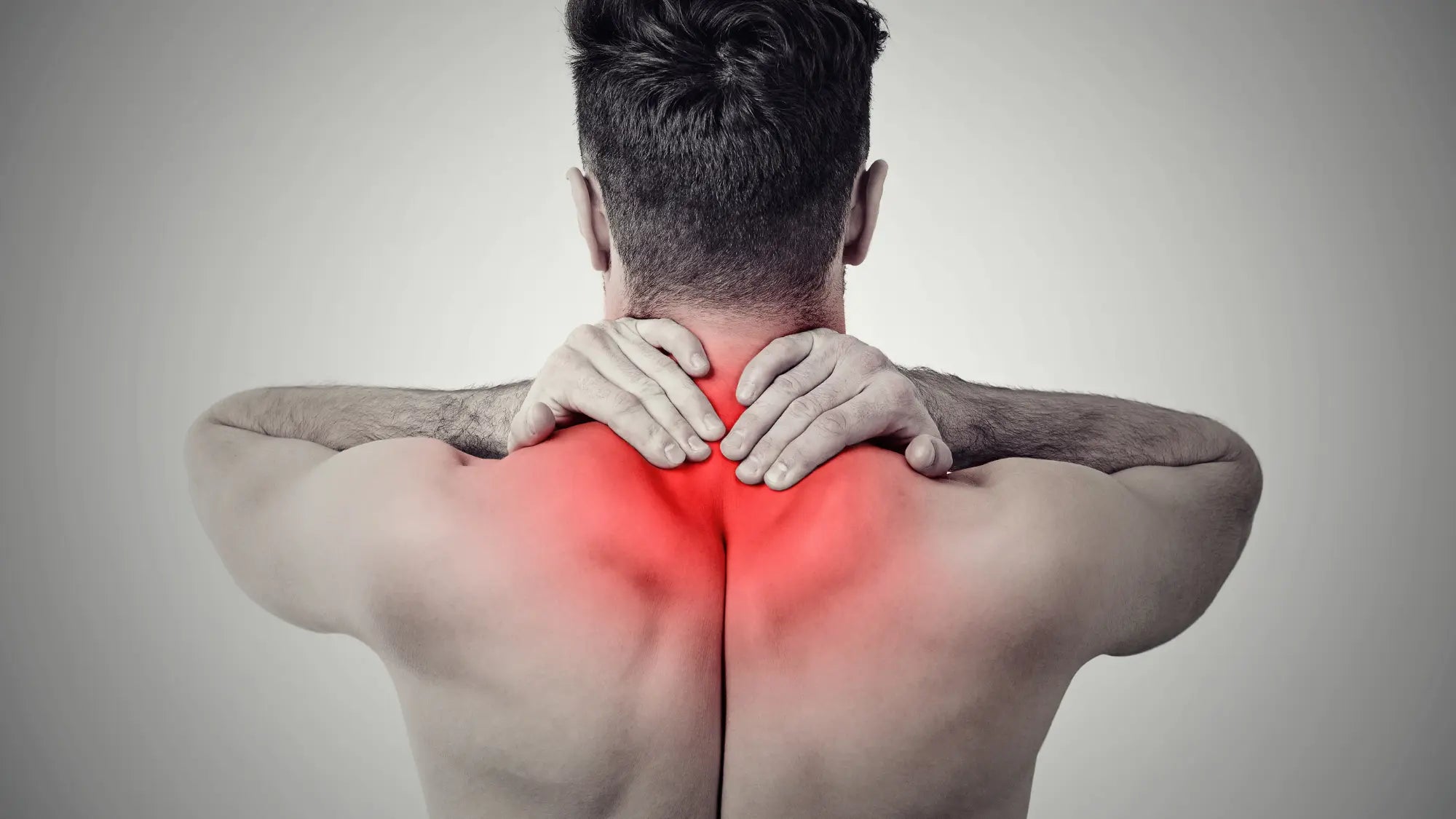
It was supposed to be nice and relaxing - a massage in your dream massage chair, accompanied by your favorite music, and then - a surprise. It hurt during the massage, and it hurts after the massage. Why does this happen?
Before we explain to you what hurts and why during and after a massage, let us reassure you: this is a normal physiological phenomenon that can last for up to several days. There is no reason to worry - however, it is worth learning about the mechanisms behind this phenomenon.
Tension - definitely not short-lived
Let's start from the beginning, which takes place long before the massage.
Stress, incorrect body posture (prolonged sitting, prolonged standing, head lowered over a computer monitor), as well as injuries, medical conditions, and even an incorrect breathing pattern cause muscles to tense up.
As a result of muscle tension, painful points called trigger points are created in various places. A trigger point is the result of hypoxia, or oxygen deficiency. It is formed when tissues - including small blood vessels, are compressed. A local oxygen deficit then occurs. Oxygen is necessary for ATP to be produced - the fuel for our muscles. When the supply of oxygen is restricted, painful points appear, which have a negative impact not only on our well-being but also on muscle efficiency, and if we play sports - on our training performance.
Although it may seem that muscles tense up "on their own," we must be aware that this is the result of factors acting upon them. Therefore, if we want to relax the muscles, something must also act upon them. That "something" is the massage itself.

Good pain
Muscles that have been tense and sore for a long time may react with pain to an attempt to relax them. The first reason is that they are already sore on their own. The second is that during a massage - regardless of whether we use a massage chair, a roller, a vibration gun, or the services of a massage therapist - a certain amount of force is used to reach the deep tissue layers.
It should also be remembered that the most innervated and, incidentally, reactive tissues are: the skin and the superficial fascia, along with the muscles. During a massage, techniques such as kneading, tapping, or rolling are used - these are "non-stroking" techniques because their role is to relax the muscles.

When your muscles ache after a massage, it means they have reacted to the treatment correctly. This situation can be compared to post-workout muscle soreness, which disappears 1-2 days after the treatment.
Feeling unwell... to start things off
If we have led an unhealthy lifestyle for many years and, instead of playing sports, we engage in "couching," our body is accustomed to its poor form: it treats all strains, tensions, and pains as something natural.
An attempt to restore proper homeostasis is a true revolution in such a situation, and our body may react to it not only with sore muscles but also with feeling unwell.
What then? Then you just have to push through it. Do not overexert yourself with massages 3 times a day, but use them systematically. It is also worth working on habits that will make it easier for us to get back into shape: keep track of consuming adequate amounts of fluids, get enough sleep, start going for walks, or implement another gentle form of physical activity.
Over time, the unpleasant symptoms will subside, and we will feel a positive difference.
What to do to avoid being sore after a massage?
The answer should be: "don't be tense," but we know well that this is impossible ;)
Above all, remember to properly hydrate your body - drink plenty of water. You should also limit physical activity - if you are going for a massage, skip the trip to the gym.
After a massage, it is worth focusing on relaxation; this will speed up the body's regeneration process.

When should pain be a cause for concern?
If the pain after a massage lasts longer than a few days, it may mean that you have overdone it with the intensity and/or frequency of the treatments. It may also be a consequence of a lack of recovery and overexerting yourself after the treatment. In that case, you should take a break from massages so that your body can regenerate.
If you have used massage despite clear contraindications, such as acute sciatica or advanced discopathy with significant nucleus pulposus herniation - we recommend contacting a doctor who will help alleviate the pain.
Share:
Spondylolisthesis - types, causes, treatment
Does a foot massage have to hurt?